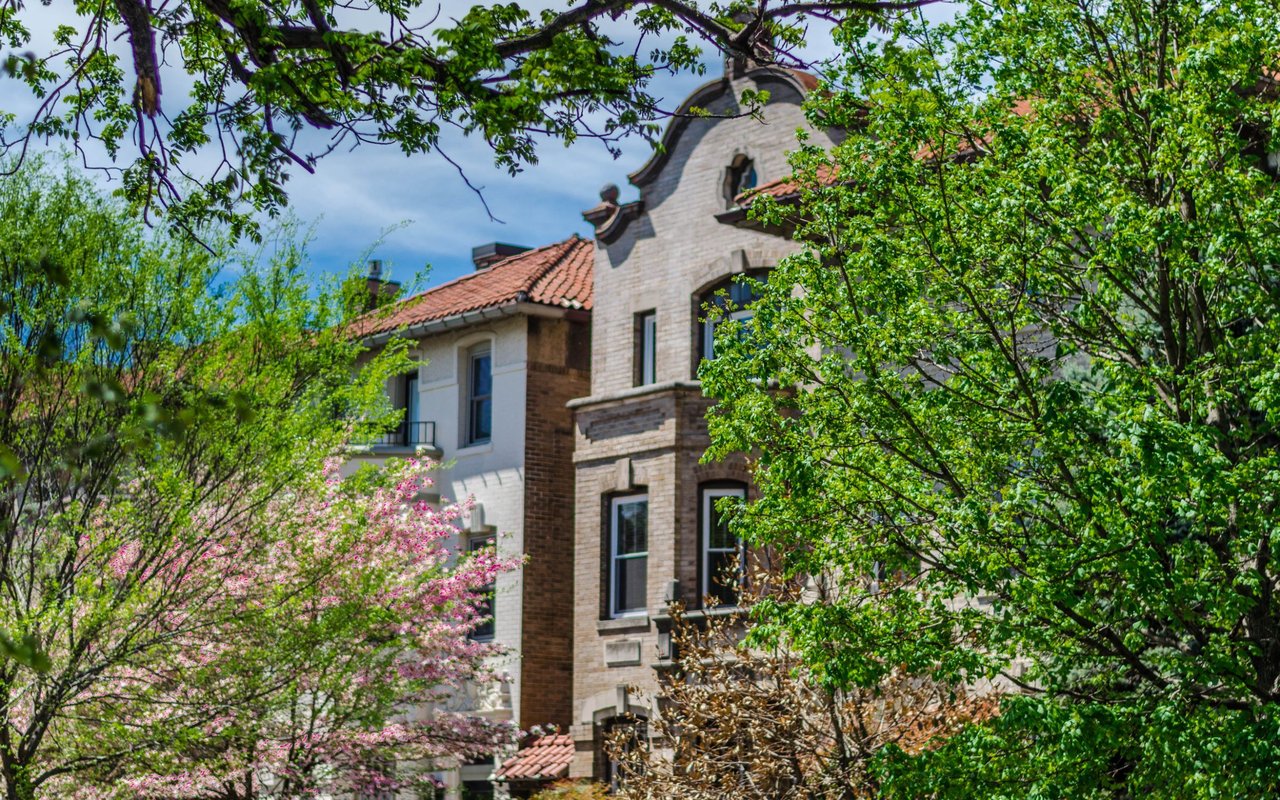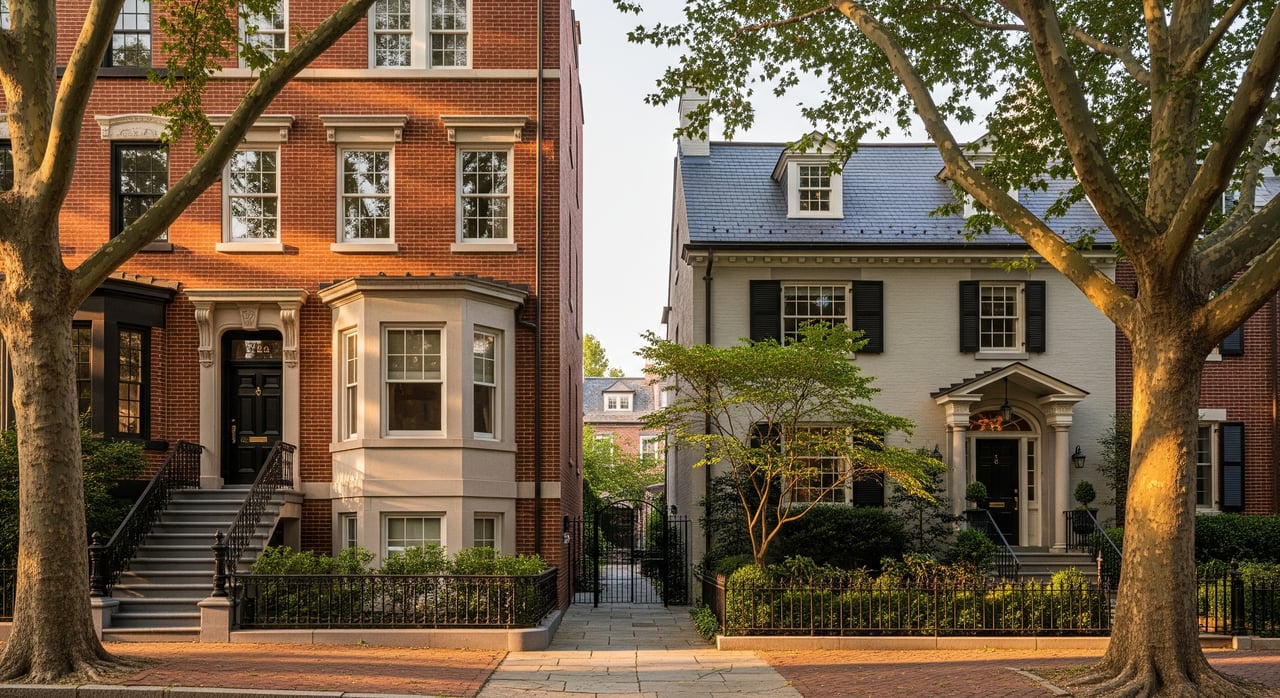
Torn between a classic DC rowhouse and a detached home in Sixteenth Street Heights? It is a great problem to have. This neighborhood offers tree-lined streets, early 20th-century architecture, and access to parks and retail. In this guide, you will see how each home type stacks up on space, renovation options, permits, parking, and resale, plus a practical checklist to help you decide. Let’s dive in.
Neighborhood snapshot
Sixteenth Street Heights sits along and near 16th Street NW in upper Northwest DC. It feels residential and calm compared with downtown corridors, with a mix of bungalows, Tudors, Colonials, and stretches of classic brick rowhouses. You are close to Rock Creek Park and Fort Stevens Park, with groceries and services along nearby Georgia Avenue and 16th Street. Multiple Metrobus routes serve the 16th Street corridor, and Metrorail is typically a short bus ride or drive away.
Rowhouse vs detached: key differences
- Space and lot size: Detached homes usually sit on larger lots with front and back yards. That extra land often makes lateral additions and bigger outdoor spaces possible. Rowhouses have smaller footprints and rely on vertical or rear expansions, interior reconfiguration, or finishing the basement for more livable space.
- Privacy, noise, and light: Detached homes provide more separation from neighbors, less shared-wall noise, and more natural light from multiple sides. Rowhouses share party walls and typically have front and rear exposures, which can reduce light on the sides but may lower heating and cooling costs.
- Maintenance and upkeep: Detached homes tend to have more exterior surface area, landscaping, and systems to maintain. Rowhouses may have lower exterior upkeep thanks to smaller lots and shared walls, though party-wall issues and basements can require attention.
- Parking and access: Detached properties more often include a driveway or garage. Rowhouses commonly rely on street parking or rear alley access when available. Many blocks use Residential Permit Parking, so check guest parking options and time limits.
- Renovation scope: Detached homes typically allow more flexible exterior changes since you are not tied to party walls. Rowhouse changes can be efficient inside, but structural work to party walls or rooflines needs careful planning and neighbor coordination.
- Income potential: Both types sometimes include finished basements. Converting a basement into a legal rental unit depends on meeting DC code, licensing, and safety requirements.
Price and resale reality
In DC, detached homes often command higher absolute prices because of land value and privacy. Rowhouses can be more attainable while still performing well in this neighborhood. That said, value is highly block-specific and condition-driven. Recent comparable sales on the same block or within a short radius are your best guide.
On resale, both types show solid demand in Sixteenth Street Heights. Walkability, proximity to bus routes, access to parks, and overall renovation quality can influence outcomes as much as the property type. If you want precision, ask for a fresh comp set based on the exact blocks you are considering and the work already completed.
Permits, zoning, and historic checks
Before you plan an addition or a major remodel, confirm the property’s zoning and whether any historic review applies. Start by looking up the property’s zoning designation using the DC Zoning Map and then review rules for height, setbacks, and lot occupancy in the DC Zoning Handbook. These determine what is allowed by right versus what may require relief.
Most building, mechanical, electrical, plumbing, basement, and addition projects require permits. Review current permit requirements and plan for inspections and timelines based on project complexity. If a property sits within a historic district or is historically designated, exterior changes typically require review by the Historic Preservation Office before permits are issued.
ADUs and basement rentals
Many homes here have basements, and some owners explore rental potential. To do this legally, you must meet DC code for safety features like egress, ceiling heights, and fire separation, and you must follow licensing and registration rules. Confirm requirements with the permitting agency and check related taxes and filings through the District’s real property tax resources. Because policies evolve, verify details before you budget for rental income.
Parking and transit
Parking varies block by block. Some detached homes offer off-street parking, while many rowhouse blocks rely on Residential Permit Parking. Review current Residential Permit Parking rules for your target street and ask about guest parking. For commuting and errands, the 16th Street corridor features frequent bus service, and nearby Metro stations are accessible by bus or car. Use the WMATA trip planner to estimate typical travel times from specific blocks.
Buyer profiles: who fits what
- You may prefer a detached home if you want a larger yard, more privacy, easier off-street parking, and the option to pursue lateral additions or bigger outdoor projects.
- You may prefer a rowhouse if you want a lower purchase price for the space, smaller yards to maintain, and a central layout that is easy to update through interior reconfiguration, basement finishing, or a rear bump-out where permitted.
How to choose in Sixteenth Street Heights
Use this quick process to decide which option fits you best:
- Define space and yard needs: List must-haves, including bedroom count, workspace, yard size, and parking.
- Walk exact blocks at different times: See light, street activity, and parking conditions firsthand.
- Pull recent comps: Compare similar-condition sales on the same block or within a short radius for each home type.
- Check zoning and any overlays: Confirm the property’s designation on the DC Zoning Map and whether historic review may apply.
- Sketch a renovation plan: Identify likely projects and review permit requirements to understand timeline and cost drivers.
- Evaluate rental potential: If a basement or ADU is part of your plan, confirm code, licensing, and tax implications before you underwrite.
- Stress-test parking and transit: Verify RPP rules and use the WMATA trip planner to sample commute options.
Work with a local advisor
Choosing between a rowhouse and a detached home in Sixteenth Street Heights comes down to how you want to live, how much you plan to renovate, and what future flexibility you want. A local, block-by-block strategy can save you time, protect your budget, and improve resale. If you want tailored comps, renovation and ADU feasibility, and introductions to vetted vendors, connect with Chena Bolton to request a personalized market consultation.
FAQs
What is the core difference between rowhouses and detached homes here?
- Rowhouses share party walls and have smaller lots, while detached homes sit on larger lots with more separation. This affects privacy, expansion options, maintenance, and parking.
Are parts of Sixteenth Street Heights subject to historic review?
- Some blocks in upper Northwest DC have historic designations. You should verify a property’s status with DC’s Historic Preservation Office before planning exterior changes.
Can I legally rent a basement or create an ADU in DC?
- Often yes, if you meet DC building code, safety, and licensing rules. Confirm requirements early, including egress, fire separation, permits, and any tax filings.
Is parking generally easier with a detached home?
- Detached homes more often include driveways or garages, while many rowhouse blocks rely on street parking. Always confirm Residential Permit Parking rules for the address.
How close is transit from Sixteenth Street Heights blocks?
- The 16th Street corridor has frequent bus service and Metrorail is typically a short bus or car ride away. Commute times vary by block and destination.
How should I evaluate schools when house hunting here?
- Always confirm current school assignments using official DCPS boundary and feeder information. School boundaries can change, so verify details for any address you are considering.