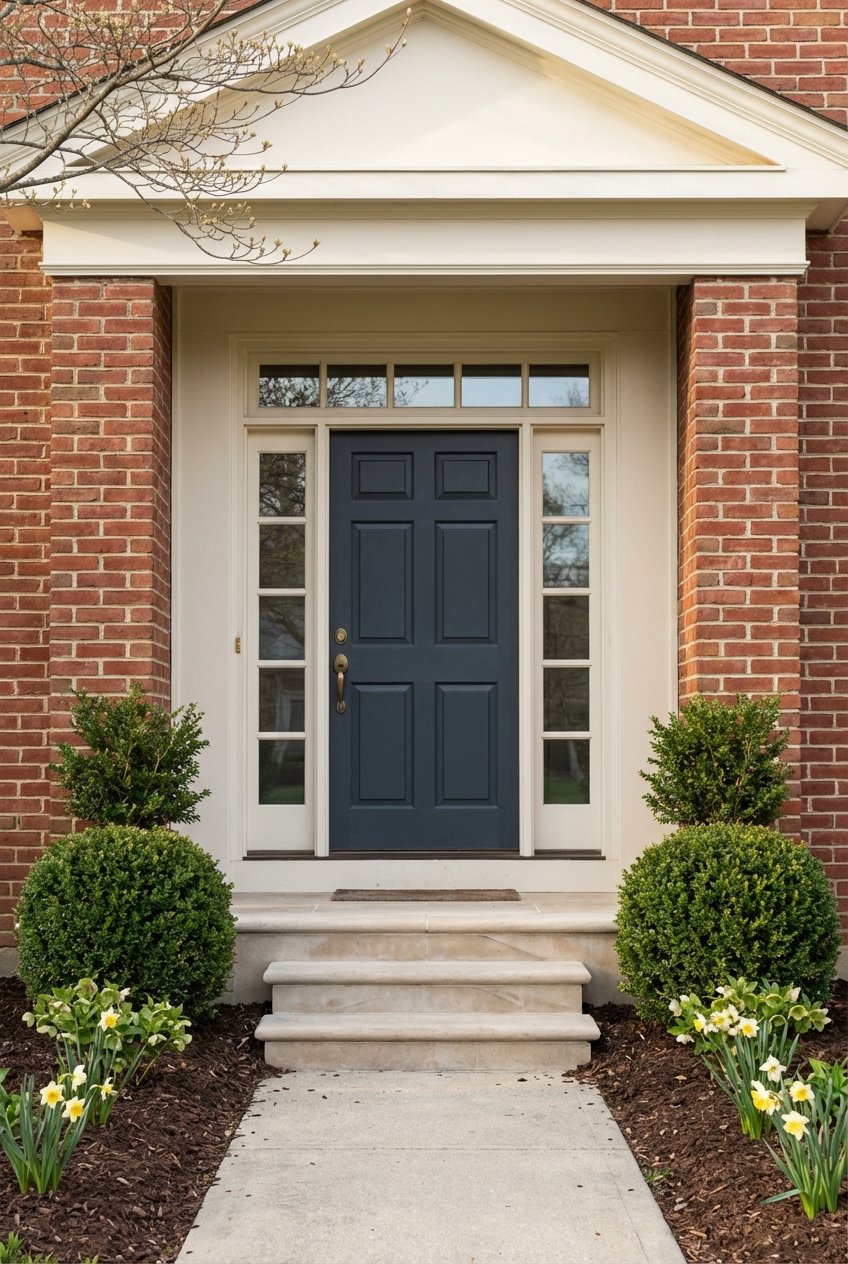
Spring in Forest Hills shows off what buyers love here: tree‑lined streets, quick Red Line access at Van Ness–UDC, and weekends on the Rock Creek Park and Soapstone Valley trails. If you want your home to stand out when the flowers and buyers return, a simple, project‑managed plan can make all the difference. In this guide, you’ll get a clear timeline, a DC‑specific legal checklist, smart staging and upgrade priorities, and a vendor game plan tailored for Forest Hills. Let’s dive in.
Why spring gives you an edge
Spring has historically brought stronger buyer traffic and faster sales. National seasonal analyses have flagged mid‑April as a reliably strong window because it balances price, demand, and lower competition. In Forest Hills, that timing also lines up with peak curb appeal as streets green up and daylight lasts longer. Confirm the exact launch week with current neighborhood activity and your agent’s Bright MLS data.
When you look at market numbers, remember that ZIP 20008 covers several neighborhoods and many housing types. Public portals can show different median prices and timelines, which is normal. What matters most is a block‑level CMA that compares your home to recent, similar sales by street, size, and condition. Use ZIP data only for broad expectations, then price with local comps.
Your step‑by‑step timeline
Below are two options. If you can, start early with the 8–12 week plan. If time is tight, use the 4–6 week fast‑track and prioritize the highest ROI tasks.
8–12 week plan (recommended)
Interview your agent and set a target list week. Ask for a 12‑month neighborhood seasonality view and pricing strategy that accounts for spring demand.
Order a pre‑listing home inspection to spot issues on your schedule and reduce renegotiations. A pre‑list inspection can help you price accurately and build buyer confidence, as outlined by the inspector community’s guidance on why pre‑listing inspections help sellers.
Decide your budget and scope. Split tasks into must‑fix, high‑ROI cosmetic, and nice‑to‑have.
Complete major work that needs permits, like significant electrical or plumbing and some window programs. Confirm permit needs with the DC Department of Buildings and plan for inspections. Review current guidance and instant‑permit options at the DC Department of Buildings.
Hire properly licensed, insured DC contractors. Verify licensing with the Department of Licensing and Consumer Protection. If your home was built before 1978 and painted surfaces will be disturbed, confirm the contractor’s EPA RRP certification and lead‑safe work practices through the EPA’s RRP program page.
Knock out cosmetic improvements: neutral interior paint, small kitchen or bath refreshes, updated lighting, and hardware. Deep clean, declutter, and depersonalize so buyers can picture their own lives in the home.
Elevate curb appeal: power‑wash, fresh mulch, trim hedges, and add seasonal planters. Aim to schedule exterior photos when spring greens and flowering are in.
Book professional staging and photography, and add floor plans. Industry research shows staging helps buyers visualize the home and can shorten days on market. Review the highlights from NAR’s staging report summarized in this staging ROI overview.
Assemble your final disclosure package: DC seller disclosure form, any lead documents for pre‑1978 homes, inspection reports, and permit records.
Go live in MLS. Coordinate open houses and broker tours. Monitor early feedback and adjust price or presentation quickly if needed.
4–6 week fast‑track (if time is tight)
- Start with a pre‑listing inspection and disclosure readiness so you can address the biggest buyer objections first.
- Focus on curb appeal and the main living areas: neutral paint, lighting updates, declutter, and a deep clean.
- Stage the living room and the primary bedroom at a minimum. Book professional photos.
- Defer long‑lead or low‑ROI projects unless the inspection or a lender requires them. Communicate the compressed timeline to vendors and expect premium scheduling fees.
Legal compliance quick check: Deliver the DC Real Property Seller’s Disclosure on time, provide the EPA/HUD lead pamphlet for pre‑1978 homes, and use licensed, insured contractors who can show EPA RRP certification if painted surfaces will be disturbed. See the District’s disclosure requirement in the DC Code, Section 42‑1302 and learn about seller lead obligations and RRP rules on the EPA’s lead pages and the EPA’s guidance for selling target housing.
Staging and smart updates buyers notice
Buyers in Forest Hills respond to light, neutral, move‑in ready spaces that complement classic architecture. Your goal is to remove friction and let the home’s strengths shine.
- Declutter first, then neutralize color. Replace heavy window treatments and use brighter, consistent bulbs to increase perceived space and light.
- Update easy wins: swap dated fixtures and hardware, refresh caulk and grout, and tidy visible storage.
- Stage high‑impact rooms. Living areas and the primary bedroom should feel balanced and inviting. The NAR staging highlights show many agents see shorter market times and stronger offers with staging.
When it comes to improvements, national Cost‑vs‑Value findings point to exterior refreshes and modest updates as strong performers at resale. Recent summaries emphasize items like entry door replacements, manufactured stone accents, and midrange kitchen refreshes. For an at‑a‑glance take, see this overview of Cost‑vs‑Value trends. In practice, that means you should prioritize neutral paint, a crisp front entry, and a light kitchen refresh before taking on a full remodel.
Vendor coordination and documentation
Treat the prep like a mini‑project. A little structure reduces stress and protects your bottom line.
- Get three written estimates for any job over 1,000 dollars. Tie payments to clear milestones.
- Verify DC licensing with the Department of Licensing and Consumer Protection. Request license numbers, proof of insurance, and any required DC bonding documentation.
- For pre‑1978 homes, confirm the firm and renovators hold EPA RRP certifications and follow lead‑safe work practices through the EPA’s RRP program.
- Confirm permit needs with the DC Department of Buildings. Keep copies of permits, inspection receipts, and contractor warranties in one disclosure folder. These documents support marketing claims and streamline buyer due diligence.
Budget ranges to plan ahead
Every home and scope is different, but these ballpark figures help you set expectations. Always get local quotes.
- Pre‑listing inspection: about 300 to 700 dollars depending on size and scope.
- Professional staging: roughly 1,000 to 4,000 dollars for partial to full staging and depending on occupancy.
- Interior repaint of main living areas: about 2,000 to 6,000 dollars based on square footage and prep.
- Landscaping and curb refresh: 300 to 2,000 dollars for power‑wash, mulch, trimming, and planters.
- Minor kitchen refresh: typically low to mid thousands for paint, hardware, and counters. Full remodels cost more and usually recoup less proportionally at resale.
Avoid these common mistakes
- Starting permit‑required work too late, which can delay inspections and closing.
- Hiring unlicensed contractors or skipping EPA RRP verification for pre‑1978 work.
- Overspending on highly personal customizations instead of neutral, broadly appealing updates.
- Delivering the DC seller disclosure late. A delayed disclosure can create buyer remedies, so follow the DC Code, Section 42‑1302 closely.
Launch week checklist
- Final clean, touch‑ups, and window washing.
- Staging check and fresh flowers or greenery.
- Professional photos uploaded, with floor plan and 3D tour if applicable. Schedule exteriors for a sunny day with spring color.
- MLS live, social and email push, and open house schedule set.
- Rapid feedback loop for the first 7 to 10 days to fine‑tune price or presentation.
Showcase Forest Hills lifestyle in your marketing
Buyers choose Forest Hills for the daily lifestyle: morning runs on Rock Creek Park and Soapstone Valley trails, quick Red Line access at Van Ness–UDC, and dining and errands along Connecticut Avenue. Nearby cultural highlights like the Hillwood Estate and the National Zoo add weekend options, and the tree canopy makes spring photos pop. Mention these benefits in your description and stage outdoor spaces so buyers can picture how they will use them.
Ready to sell this spring?
If you want a smooth, value‑focused sale in Forest Hills, a clear plan and careful execution matter. From pre‑list inspections and permits to staging, photography, and a launch timed for peak spring interest, the right steps will help you stand out. For hands‑on guidance and vendor coordination tailored to your home, connect with Chena Bolton for a personalized market strategy.
FAQs
When should you start prepping a Forest Hills home for a spring sale?
- Aim to start 8 to 12 weeks before your target mid‑April launch so you can complete any permit‑required work, finish updates, and stage before photography.
Do you need permits for small updates in DC before listing?
- Many small projects qualify for instant permits, but major electrical, plumbing, structural, and some window replacements require permits and inspections. Confirm needs with the DC Department of Buildings.
What is the DC seller disclosure and when must you deliver it?
- DC requires a written Real Property Seller’s Disclosure for 1–4 unit homes. Deliver it before or at contract to avoid buyer remedies, as outlined in the DC Code, Section 42‑1302.
How does staging impact sale price or speed in DC?
- Industry surveys show staging helps buyers visualize the property and can shorten days on market, with many agents reporting stronger offers when homes are staged. See the NAR highlights in this staging ROI summary.
Is a pre‑listing inspection worth it in Forest Hills?
- Yes. A pre‑list inspection can surface issues early, guide pricing, reduce renegotiations, and become part of a transparent disclosure package. Learn more about benefits in this pre‑listing inspection guide.