Thinking about listing in Colonial Village and worried about surprises? In an area known for charming, older homes, small issues can snowball into delays or costly renegotiations. A pre-inspection can change that by giving you clarity up front. In this guide, you’ll learn what a pre-inspection is, how DC rules apply, what to expect in Colonial Village homes, and how to decide if it is worth it for your sale. Let’s dive in.
What is a pre-inspection?
A pre-inspection, also called a pre-listing inspection, is a full home inspection you order before your property hits the market. It covers accessible systems and components to identify safety issues, defects, and maintenance items.
The scope is similar to a buyer’s inspection, but the timing and purpose differ. You use the report to choose repairs, price strategically, and reduce surprises during negotiations. You also decide whether to share the report in your disclosure package or market the home as pre-inspected.
The deliverable is usually a digital report with photos, descriptions, and prioritized recommendations for safety, major repairs, and routine maintenance.
Colonial Village: what to expect
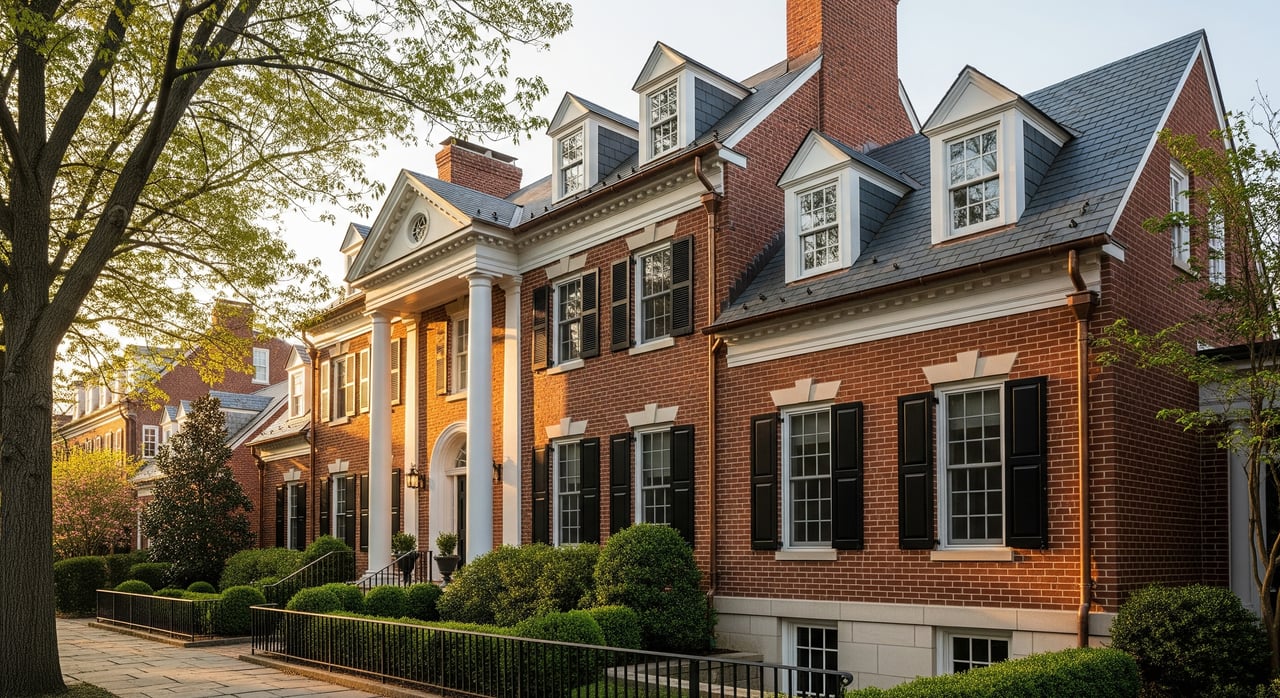
Many Colonial Village properties were built in the early-to-mid 20th century. Age brings character, but it also means common issues may surface during an inspection.
Key areas often worth attention:
- Structural and exterior: masonry or mortar deterioration, foundation settlement, and aging roofs and flashing around chimneys or dormers.
- Drainage and basements: grading problems, water intrusion, efflorescence, humidity, and sump pump concerns.
- Electrical: older wiring types, undersized or obsolete panels, and limited grounded outlets; possible DIY additions.
- Plumbing: galvanized steel supply lines, cast-iron drains, and corrosion; water heater age and venting.
- HVAC: older furnaces or boilers, historic radiators or hydronic systems that need servicing.
- Windows and energy: single-pane windows and limited insulation affecting efficiency.
- Pests: termite or moisture-related wood deterioration.
Some homes in the area are apartments, co-ops, or condos. For unit sales, inspections typically focus on the interior, and access to common areas or building systems may be limited by building rules. Historic-character considerations may apply to exterior materials and methods. Always verify whether a specific property is subject to historic-preservation review before promising exterior changes.
DC rules that matter
- Lead disclosure: Homes built before 1978 require federal lead-paint disclosure and distribution of EPA/HUD materials. Testing is optional, but many sellers and buyers choose it to understand risk and plan.
- Licensing and permits: Confirm current District requirements for hiring licensed home inspectors and for building permits. Older homes often have unpermitted work, which can affect marketability and closing. A pre-inspection can flag items to research before you list.
- Condos and co-ops: Expect differences in inspection scope and timing. Board rules and approval processes may affect your timeline, separate from any inspection decision.
Pros and cons for sellers
Advantages:
- Fewer surprises: You identify major issues before the buyer’s inspection.
- Smoother negotiations: You can repair, disclose, or price with confidence.
- Faster closings: Less back-and-forth over newly discovered defects.
- Marketing edge: “Pre-inspected” can reassure cautious buyers.
- Leverage: Clear condition can support stronger terms in competitive situations.
Tradeoffs:
- Disclosure obligations: Specific defects may prompt more buyer scrutiny.
- Cost of repairs: Not every fix will pay back in sale price.
- Timing and documentation: Work without proper permits or receipts can invite questions later.
- Market context: In a very hot seller’s market, “as is” may be sufficient; in a slower market, pre-inspections add more value.
Buyer perspective: A seller’s pre-inspection is helpful context, but most buyers still want their own inspection for protection and to meet any lender expectations.
When a pre-inspection makes sense
Consider it if:
- Your home is older, with possible deferred maintenance.
- You plan to price aggressively and want fewer post-offer surprises.
- The property has unique or historic elements that may warrant specialized testing.
- You want a defined repair budget with permits and receipts ready for buyers.
- Your listing agent recommends it to support stronger marketing and faster timelines.
You might skip or limit it if:
- The market is extremely competitive and you prefer to list “as is.”
- You do not plan to make repairs and will price accordingly. Targeted safety checks can still be prudent.
What it costs and how long it takes
Typical ranges in urban markets vary by size, age, and provider:
- General home inspection, single-family: about $300 to $700.
- Condo or co-op unit inspection: about $200 to $500.
- Sewer-line video scope: about $150 to $400, higher for long runs or complex access.
- Lead testing: often several hundred dollars, depending on scope and methods.
- Radon test: about $100 to $300, with multi-day monitoring.
- Chimney Level II or specialty HVAC testing: about $150 to $400 each.
Timing:
- General inspection appointments often take 2 to 4 hours, with reports typically delivered within 24 to 72 hours.
- Specialized tests may take longer. Radon requires multi-day monitoring, and lab analysis for lead or asbestos can take days to weeks.
How to choose an inspector
- Verify District licensing or registration requirements and current standing.
- Look for membership in recognized professional organizations and ask for sample reports.
- Confirm E&O insurance, references, and experience with older DC properties.
- Ask about coordinating specialized tests like radon, sewer scopes, lead, or chimney evaluations.
- Review sample reports for clarity, photos, and prioritized recommendations.
What to do with the report
- Prioritize safety, structural, and major system issues first.
- Get contractor estimates to decide what to fix versus what to credit.
- Pull permits where required and keep receipts for all work.
- Work with your agent to decide how to share the report. You may market as pre-inspected, attach the full report, or provide a summary with disclosures.
For buyers: using a seller’s pre-inspection
A seller’s report is useful background, especially in older homes. Still plan to order your own inspection to confirm findings and protect your interests. Consider targeted add-ons if age or history suggests risk, such as lead, radon, sewer scopes, chimney evaluations, or HVAC performance checks.
Next steps
- Talk strategy with your agent. Align your approach with current market conditions in Colonial Village.
- Order a general pre-inspection if the home is older or you suspect issues.
- Add specialized tests when the age or condition points to risk, or when your inspector recommends them.
- Plan your repair budget. Address high-impact items, document permits, and keep receipts.
- Decide your disclosure strategy. Use the report to build buyer confidence and reduce renegotiation.
If you want a tailored plan for your home or unit in Colonial Village, expert vendor coordination, and a clear path to market, request a personalized market consultation with Chena Bolton.
FAQs
Do Colonial Village sellers need a pre-inspection?
- If your property is older, a pre-inspection often pays off by reducing surprises, sharpening pricing, and speeding negotiations. Market conditions and your willingness to repair should guide the decision.
What DC rules apply to older homes and lead paint?
- For homes built before 1978, federal law requires lead-paint disclosure and distribution of EPA/HUD educational materials. Testing is optional but can clarify risk and next steps.
Will a seller’s pre-inspection remove a buyer’s inspection contingency in DC?
- Not usually. Buyers commonly retain the right to inspect or negotiate credits. Contract language and local practice determine terms, so coordinate with your agent and consider legal advice.
How do pre-inspections work for DC condos or co-ops?
- Inspectors typically focus on the interior unit. Access to common areas and building systems can be limited by building rules, and board processes may affect timing independent of inspections.
What specialized tests make sense in Colonial Village?
- Consider radon, lead testing in pre-1978 homes, sewer-line video scopes for older laterals, chimney Level II inspections for active fireplaces, and targeted HVAC or asbestos evaluations when indicated.
How long will a pre-inspection delay my listing in DC?
- A general inspection can be scheduled and reported within a few days. Add extra time for radon monitoring and any lab-based tests, plus time to complete and document selected repairs.