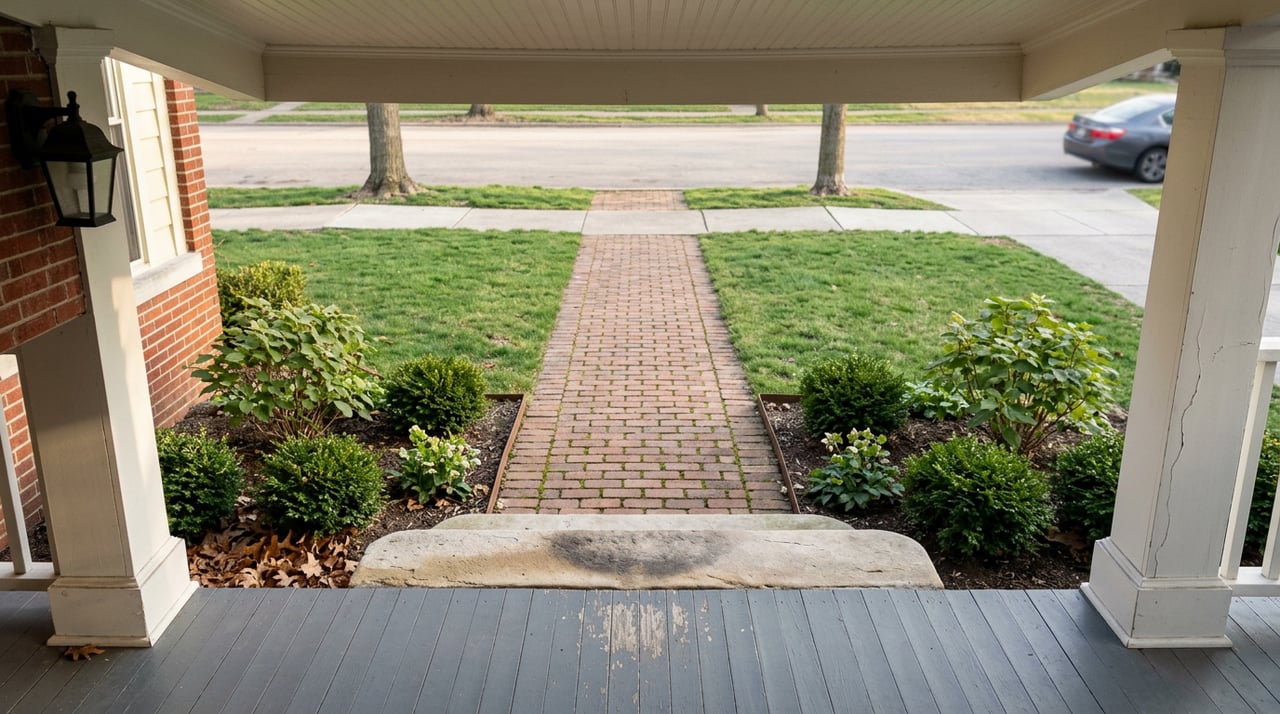
Want leafy streets and a short ride into DC? Woodside Park in Silver Spring gives you both. If you want a calmer block without giving up a predictable commute, this neighborhood is worth a close look. In this guide, you’ll see how the daily trip works, real travel times, backup routes, local amenities, and what to expect from the housing market. Let’s dive in.
Woodside Park at a glance
Woodside Park sits just north of Downtown Silver Spring, with historic, mostly single-family homes on tree-lined streets and a strong neighborhood identity. You’ll find period architecture and larger lots in a classic early 20th-century suburban layout. For orientation and history, start with the overview on the Woodside Park page from Wikipedia.
The neighborhood edges the core of Downtown Silver Spring, including Ellsworth Drive’s dining and shopping. That puts everyday errands close to home. To see what’s nearby, preview the Ellsworth Place directory and visit details. Civic materials also describe parts of Woodside Park as within walking distance of the Transit Center and downtown, which is useful if you value a quick first mile to Metro. You can see that context in county testimony from the Woodside Park Civic Association.
Getting to DC: your commute options
Red Line from Silver Spring
The Silver Spring Metrorail station sits beside the Paul S. Sarbanes Transit Center, which concentrates rail and bus connections. For many workplaces in central DC, you get a one-train ride on the Red Line to stops like Gallery Place and Metro Center. Station details and bus bay maps are on the WMATA page for the Transit Center.
In-train travel times from Silver Spring to central DC stations often land in the 15 to 25 minute range, depending on destination and time of day. Door to door, your total usually runs 30 to 50 minutes once you add your walk to the station and the final few blocks at the other end. For sample trip times, check a regional trip planner example.
Bus and Ride On at the Transit Center
Metrobus and Montgomery County Ride On routes feed into the Transit Center. These are handy when your final destination lines up better with a bus corridor or when Red Line maintenance changes service. Some routes offer limited-stop service for faster trips. You can review hub basics on the WMATA Transit Center page.
MARC for select trips
Silver Spring is also on the MARC Brunswick Line. MARC runs less frequently than Metrorail but can be useful for certain regional or reverse-commute trips. For background on the station’s rail connections, see the Silver Spring station overview.
Bike connections
If you prefer to pedal, the Metropolitan Branch Trail links Silver Spring to the Union Station and NoMa area in DC, and Sligo Creek offers scenic local riding. Fit cyclists often use the MBT for a full commute or as a quick hop to Metro. Learn more about the corridor on the Metropolitan Branch Trail page.
Driving or rideshare
Driving is workable, especially off peak, but times vary with traffic and your exact destination. Across roughly 6 to 8 miles, travel can swing from about 15 minutes to 45 minutes or more in heavier rush hours. For a sense of the range, see a sample Silver Spring to Washington route overview. If you plan to park downtown, factor in both time and daily cost.
Realistic door-to-door timelines
Here are common patterns that match what many Woodside Park commuters report. Your times will vary by exact address and schedule.
Example A: Walk + Red Line. A 10 to 15 minute walk to Silver Spring station, a 18 to 25 minute ride to Metro Center, and a 5 to 10 minute final walk. Plan on about 35 to 50 minutes door to door in typical conditions. For schedule details or weekend updates, start with the WMATA Transit Center page.
Example B: Bike + Red Line. An 8 to 15 minute bike ride to the Transit Center or MBT access, then a similar Red Line ride and short final walk. This often matches the total time in Example A while giving you more control over the first mile.
Example C: Drive or rideshare. About 20 to 45 minutes to central DC in normal patterns, though events or weather can push it higher. Always test your route during your actual peak hour before you commit.
Service notes: WMATA sometimes adjusts Red Line service for maintenance, especially during summer or weekends. Check current advisories and shuttle options on the WMATA construction and travel alternatives page before a big meeting or a new commute routine.
After-work life: parks and downtown
One of Woodside Park’s strengths is how quickly you can shift from work mode to home. Downtown Silver Spring puts groceries, restaurants, and the AFI Silver Theatre area within a short walk or bike ride of many blocks. For a handy overview of the downtown core, browse the Ellsworth Place visit guide.
Green space is also close. Woodside Urban Park sits by the edge of downtown, and Sligo Creek’s trail network offers easy loops for evening runs, bike rides, or a peaceful walk. Get a feel for the park from the Downtown Silver Spring page for Woodside Urban Park.
Housing and budget considerations
Woodside Park is largely single-family, with many homes dating to the early and mid 20th century. That brings charm, larger lots, and established streetscapes. For historic context and neighborhood character, start with the Woodside Park overview.
Pricing and inventory reflect the housing mix. As of late February 2026, regional snapshots placed the broader Silver Spring median home index around $540,988 and the most recent median sale price near $509,333. Inside Woodside Park, active and recent listings often show single-family homes ranging from the mid to high six figures into the seven figures, depending on size, lot, and condition. Because older homes are common, you may face a tradeoff between move-in-ready updates and renovation potential. Set aside a budget line for inspections and targeted upgrades.
Turnover in historic single-family neighborhoods tends to be lower than in condo-heavy areas. If you have your heart set on Woodside Park, you may need patience and strong alerts. A local advisor can also monitor pre-market signals and coming-soon activity so you see opportunities early.
Pros and cons for DC commuters
Pros
- Short, predictable Red Line access to many central DC offices, often 15 to 25 minutes in-train to core stations. See sample timing on a regional planner example.
- Quieter, tree-lined streets and larger lots create a calm home base after work. The neighborhood’s historic setting is noted in Wikipedia’s overview.
- Walkable access to Downtown Silver Spring for errands, dining, and entertainment. Preview options on the Ellsworth Place visit page.
Cons or tradeoffs
- Inventory and pricing lean toward single-family homes, which can mean a higher entry price and fewer condo choices than right by the Metro.
- Occasional Red Line maintenance can affect service. Plan a backup and watch the WMATA travel alternatives page.
- If you drive, peak-hour variability and downtown parking add time and cost. Test your route in real conditions.
How to choose the right block
- Time your commute twice. Do a trial run at your actual morning and evening hours. Include the walk or bike to the station, platform wait time, and the last few blocks on the DC end.
- Map your first and last mile. Decide whether you will walk, bike, or use a quick bus to the Transit Center. The Metropolitan Branch Trail can expand your options.
- Check service advisories. Before you rely on a single route, review current WMATA construction notices and set alerts for planned work.
- Review parking options. If you plan to park near downtown Silver Spring for errands, scan posted garage details on the Ellsworth Place visit guide and compare them with your office parking plan.
- Inspect with age in mind. Older homes may need electrical, roof, or HVAC attention. Build that into your offer strategy.
Is Woodside Park right for you?
If you want a quiet, established neighborhood with fast transit access to DC and a true downtown Silver Spring at your doorstep, Woodside Park delivers. You trade a bit of first-mile planning and a higher share of single-family homes for a simpler daily rhythm and more space. The best next step is to test your commute, tour a few streets, and see how the lifestyle feels.
When you are ready to compare addresses, line up pre-market opportunities, or craft a plan for a renovation-ready home, connect with Chena Bolton for a personalized, data-backed search.
FAQs
How long is the Metro ride from Silver Spring to central DC?
- In-train times to core stations often run about 15 to 25 minutes, with door-to-door totals usually 30 to 50 minutes once you add the walks at both ends.
What are my options if Red Line service is adjusted?
- Use Metrobus or Ride On at the Transit Center, follow WMATA shuttle options during maintenance, and consider biking the MBT or driving for select days.
Is Woodside Park walkable to restaurants and groceries?
- Many addresses are a short walk or bike to Downtown Silver Spring’s Ellsworth Drive area, which clusters shops, dining, and services.
What price range should I expect for Woodside Park homes?
- Recent snapshots show broader Silver Spring medians around the low to mid $500,000s, while Woodside Park listings often span from the high six figures into seven figures based on size and condition.
Can I bike from Woodside Park to downtown DC safely and efficiently?
- Many commuters use the Metropolitan Branch Trail to reach NoMa and Union Station, combining it with local streets or Metro for a flexible and predictable ride.