Are you trying to choose between historic charm and new-build convenience in Woodside Park? It is a real crossroads, especially in a neighborhood known for mature trees, walkability, and quick access to downtown Silver Spring. You want to make a confident decision that fits your lifestyle, budget, and timeline. This guide breaks down the trade-offs so you can weigh what matters most and move forward with clarity. Let’s dive in.
Woodside Park at a glance
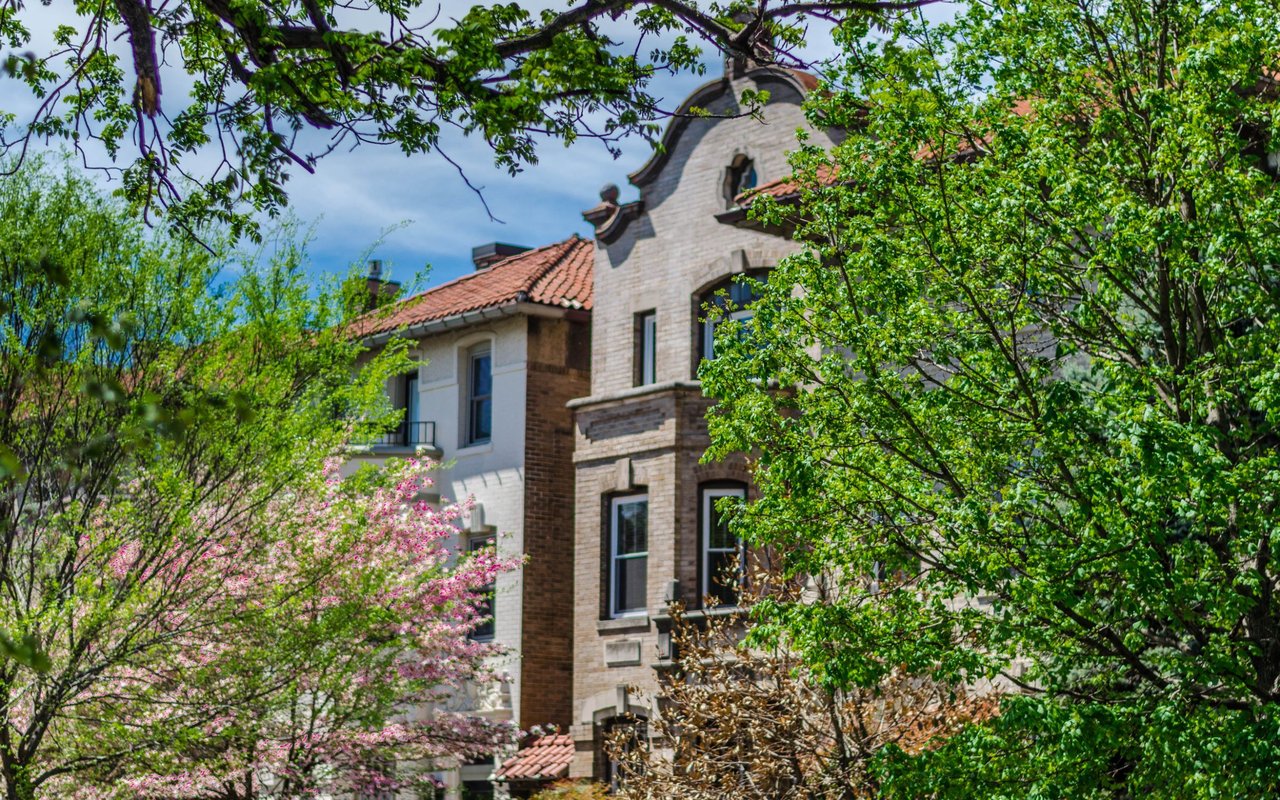
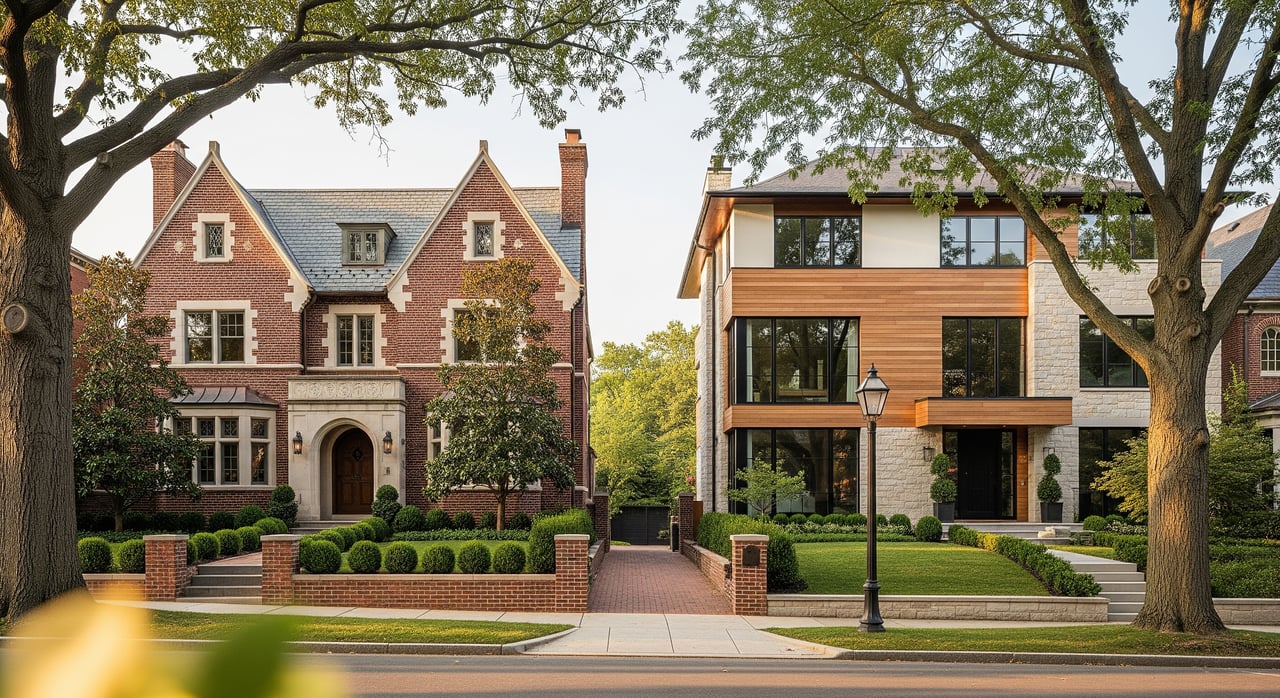
Woodside Park sits near downtown Silver Spring in Montgomery County, close to shopping, restaurants, and transit links into Washington, D.C. The neighborhood features a mix of early 20th-century single-family homes and newer infill projects. You will see larger lots with mature tree canopy, plus period architecture that reflects the streetcar-era suburban pattern. Newer homes add modern layouts and finishes while taking advantage of the same prime location.
How historic homes stack up
What you gain
Historic and older homes offer character that is hard to replicate. You may find original millwork, brick or stone facades, and period styles such as Colonial Revival, Tudor Revival, or Craftsman influences. Lots tend to be modest to large with established landscaping and shade. Some designated historic properties may also be eligible for rehabilitation incentives; program availability changes, so you should confirm details with the Maryland Historical Trust.
What to plan for
Older homes often have smaller kitchens and more compartmentalized rooms compared with today’s open layouts. System upgrades are common needs, including electrical, plumbing, HVAC, and insulation. Homes built before 1978 may contain lead-based paint, and asbestos can appear in some mid-century materials. If a property is in a historic district or individually designated, exterior changes may require review, which can add steps, documentation, and time.
How new construction compares
What you gain
New builds typically deliver open-concept floorplans, larger primary suites, and contemporary finishes. You benefit from modern codes that improve energy efficiency, comfort, and safety. New systems and materials can reduce short-term maintenance and may lower insurance and operating costs. If you are seeking a turnkey experience, new construction can align well with that goal.
What to plan for
New homes usually trade at a premium per finished square foot in prime, walkable neighborhoods. Teardown-and-rebuild projects trigger stricter review for stormwater management, tree protection, and site work in Montgomery County. You should expect multiple permits and a timeline of roughly 9 to 18 months or longer from planning through completion, depending on complexity. Tree save and replacement rules can affect your site plan and budget.
Rules and approvals in Montgomery County
Historic designation and review
If a home is within a locally designated district or is individually designated, exterior changes often require approval from county historic preservation staff or a commission. These reviews focus on publicly visible elevations and compatibility with historic character. Confirm a property’s status before planning any exterior work or a teardown.
Zoning and permitting basics
Zoning controls lot coverage, setbacks, building height, and use. New construction must meet current zoning and building codes; variances are sometimes needed if a design exceeds limits. Montgomery County’s Department of Permitting Services handles building permits and enforcement, including erosion and sediment control, stormwater, soil conservation, and tree protection. Review times can range from weeks to months based on scope.
Trees and site work
Montgomery County’s rules protect significant trees and require mitigation when certain thresholds are met. Site development and additions may require a tree-save plan and stormwater solutions. Plan for surveys, engineered drawings, and potential replacement requirements.
Cost, financing, and timeline
Purchase price dynamics
In walkable, established neighborhoods like Woodside Park, older homes with strong character and location often command a premium. Homes needing significant modernization can trade at a discount relative to updated comparables. New construction tends to sell at a higher price per square foot, especially when it delivers modern layouts that local buyers prioritize.
Renovation vs rebuild math
Renovation costs vary widely. Cosmetic updates are more affordable, while structural changes and system overhauls increase budgets. A teardown and new build requires demolition, full design, complete permitting, and modern code compliance, which adds cost for stormwater and site work. A smart approach is to obtain contractor-level estimates for both a targeted renovation and a full rebuild, including soft costs such as architects, permits, impact fees, and tree mitigation.
Financing and insurance
You can finance renovations through a cash-out refinance, renovation-specific products such as FHA 203(k) or Fannie Mae Homestyle, or a construction loan that converts to a mortgage. New construction commonly uses a construction-to-permanent loan; lenders evaluate lot value, plans, and builder credentials. Insurance premiums can be higher for older homes with outdated systems, while new builds often benefit from lower initial operating and insurance costs.
Timeframes
Buying an older move-in-ready home is usually the fastest path. Renovations can take weeks to many months depending on scope and permitting. A teardown and new build often takes 9 to 18 months or longer, and historic review can add additional time on designated properties.
Resale and marketability in Woodside Park
Thoughtful updates that preserve character while improving function tend to perform well on resale. Buyers value authentic details paired with modern systems and space planning. New construction that respects neighborhood scale and blends with surrounding homes also attracts strong interest. Overbuilding or choosing styles that conflict with the streetscape can narrow your buyer pool.
For marketing, historic homes shine when you highlight original details, mature landscaping, proximity to downtown Silver Spring, and recent system upgrades. New builds should feature energy efficiency, open layouts, low maintenance, and any available warranties.
Decision checklist for buyers and sellers
Use this list to organize your next steps in Woodside Park:
- Confirm whether the property is designated historic or in a historic district.
- Ask for permits and documentation for any past renovations or additions.
- Order a full home inspection and specialized tests as needed, such as radon, lead paint, asbestos, and termite.
- Get contractor estimates for your planned scope, including site work, stormwater, and tree mitigation.
- Verify zoning, setbacks, lot coverage, and whether variances are required.
- Review FEMA floodplain mapping for the parcel.
- Confirm school assignments directly with the district if they are important to you.
- Check property tax history and current assessments.
- Obtain insurance quotes that reflect the home’s age and systems, or any planned construction.
Which path fits your goals?
If you love character and the feel of a mature neighborhood, a historic or older home can be a rewarding choice, especially if you plan to modernize systems over time. If you prefer a turnkey home with open layouts, energy efficiency, and fewer near-term projects, new construction may be the better fit. In both cases, your decision benefits from clear numbers, realistic timelines, and a plan for permitting and approvals.
Ready to compare options on a specific property or lot? Reach out for tailored guidance, from off-market sourcing and vendor coordination to staging and full project oversight. Connect with Chena Bolton to request a personalized market consultation.
FAQs
What should I know about historic review in Woodside Park?
- If a property is locally designated or within a historic district, exterior changes often require review and approval, which can add time and influence design choices.
How long does a teardown and new build take in Montgomery County?
- Plan for roughly 9 to 18 months or longer, accounting for design, permitting, stormwater and tree approvals, and construction complexity.
Are there tax incentives for renovating a historic property in Maryland?
- Some certified historic rehabilitations may qualify for federal or state credits; confirm eligibility and requirements with the Maryland Historical Trust.
What hidden costs are common with older homes in Silver Spring?
- System upgrades, lead-based paint or asbestos mitigation, insulation improvements, and potential foundation or drainage fixes are common cost drivers.
Which has better resale in Woodside Park: historic or new?
- Both can resell well when aligned with buyer demand; sympathetic renovations and neighborhood-scaled new builds tend to perform best over time.