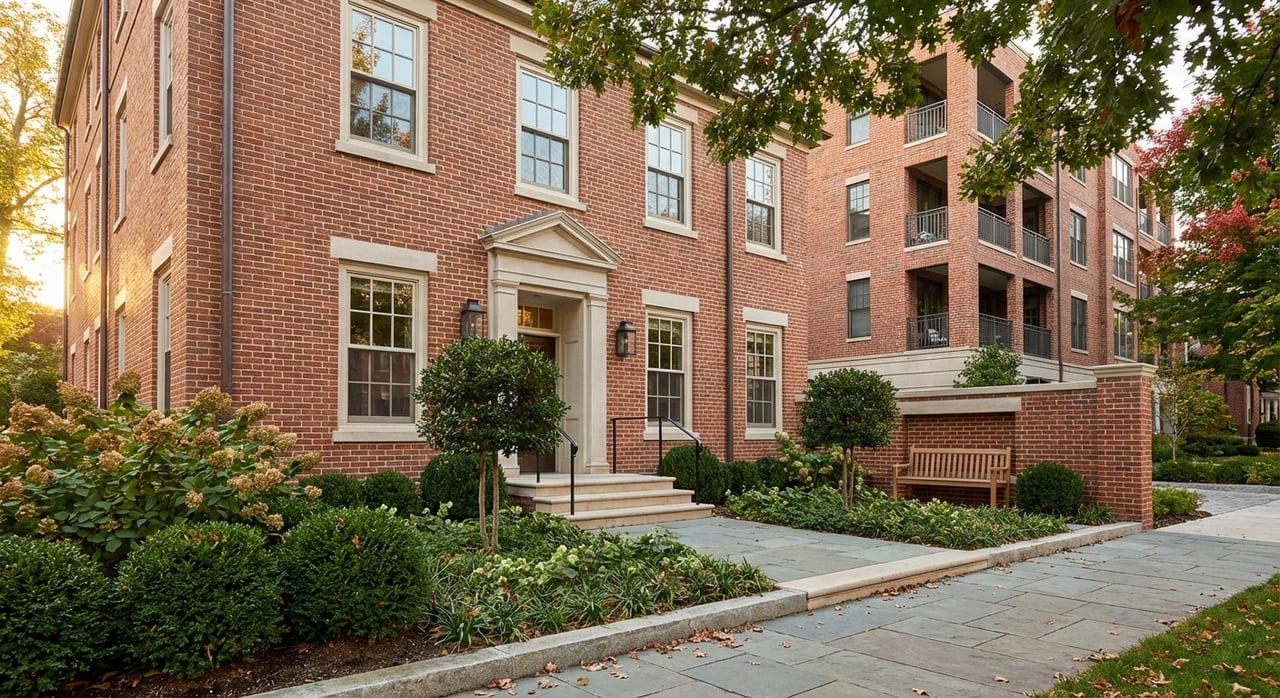
Love Cleveland Park’s tree‑lined streets but not sure which condo style fits how you live? With choices that range from charming pre‑war walk‑ups to full‑service buildings with a rooftop pool, it can be hard to know where to start. This guide compares garden‑style, mid‑rise, and larger complexes so you can balance fees, amenities, location, and financing with confidence. You will also get a practical touring checklist to help you spot red flags and ask the right questions. Let’s dive in.
Cleveland Park at a glance
Cleveland Park blends historic architecture with a lively Connecticut Avenue corridor and quiet residential pockets. For background on the neighborhood’s early 20th‑century growth and historic district status, review the Cleveland Park Historical Society’s overview of the area’s history and character (Cleveland Park Historical Society).
Transit access shapes day‑to‑day life and property value. The Cleveland Park Metro station on the Red Line sits on Connecticut Avenue and has no daily commuter parking, which makes on‑street Residential Permit Parking or deeded garage spaces more important for many residents (WMATA station page). Proximity to the station can command a premium, especially for buyers who prioritize an easy commute.
As of January 2026, Cleveland Park’s median sale price was about $650,000. The DC market shifts quickly, so use this as a time‑stamped reference and confirm current conditions before you make an offer.
Compare condo styles by lifestyle and budget
Garden‑style: charm and lower fees
Garden‑style buildings are typically 1 to 4 stories with smaller footprints, limited interior corridors, and direct access to landscaped courtyards or grounds. They tend to offer fewer on‑site amenities, which often keeps HOA fees lower compared to larger buildings (garden‑style definition). In Cleveland Park, you will find several pre‑war conversions with period details, shared courtyards, and on‑site or common laundry.
Local example: early 20th‑century low‑rise condos along Connecticut Avenue, such as a 1926 building at 3616 Connecticut Ave NW, illustrate the tradeoff of character and lower amenities. Some recent listings showed one‑bedroom HOA dues in the mid‑$400s, though inclusions vary and change over time. Expect limited elevator access and limited or no structured parking in this category.
Best for: first‑time buyers and value‑seekers who prefer walkability, lower monthly fees, and are comfortable with fewer amenities.
Mid‑rise: balance and convenience
Mid‑rise buildings run about 4 to 8 stories and typically include an elevator, lobby, and a modest amenity set such as storage, bike rooms, a roof deck, or shared laundry. HOA fees usually land in the middle because elevator and mechanical upkeep adds cost compared with low‑rise buildings (building type context).
Local example: The Monterey on Porter Street offers an elevator, roof deck, and storage, with a close‑to‑Metro location many buyers want. You will often see historic façades paired with updated interiors in this tier.
Best for: buyers who want an easier commute, an elevator, and a few conveniences without the higher monthly cost of a full‑service building.
Larger complexes: full‑service living
Larger complexes and full‑service buildings in Cleveland Park often reach 8 or more stories and are professionally managed. Common amenities include concierge or staffed front desk, fitness rooms, business or party spaces, rooftop decks or pools, and reserved garage parking. This package typically comes with higher HOA fees that fund staffing, amenities, insurance, and reserves (building type context).
Local example: The Connecticut on Connecticut Avenue is a contemporary, amenity‑rich building known for concierge service, a fitness room, a rooftop pool, and deeded or garage parking in many units.
Best for: commuters and lock‑and‑leave professionals who value services, security, and on‑site amenities, and who are comfortable with higher monthly fees.
HOA fees in DC: what they actually cover
DC ranks among the highest HOA and condo fee markets in the country, with a median around 500 dollars per month in recent national summaries (Newsweek HOA fee summary). In Cleveland Park, small garden‑style or low‑amenity mid‑rises may fall in the low‑to‑mid hundreds, while larger buildings with concierge and garage parking often run several hundred dollars or more. The exact number depends on what your fee includes.
Always confirm inclusions and exclusions. Ask whether water, gas, heat, trash, internet or cable, elevator reserves, common area maintenance, and parking are included. The line items matter because they change your monthly carry and can make two similar fees very different in practice.
Financing and approvals to check early
FHA and VA loans impose project rules that affect eligibility. FHA allows full project approvals and single‑unit approvals in some cases, but there are requirements for owner‑occupancy, reserve funding, delinquent dues, and the share of FHA loans in a building. Older small buildings and conversions may not be FHA‑approved, and significant commercial space can also be a factor (HUD condo guidance). If you plan to use FHA or VA financing, verify status before you fall in love with a unit.
Cleveland Park includes both condominiums and cooperatives. Co‑ops typically involve a board approval process, different ownership structure, and financing that can be more specialized than a standard condo mortgage. If you want flexibility on lenders and down payment programs, confirm the building’s ownership type at the outset.
DC conversion rules that can affect your purchase
When a rental building is converted into individually deeded condos in the District, the law requires specific filings and, in many cases, a 5 percent conversion fee based on each unit’s sale price under D.C. Code § 42‑3402.04 (D.C. Code citation). These steps influence timing, warranties, and disclosures for buyers in newly converted projects. For an overview of conversion processes and required documentation, see local title and registration guidance (Standard Title overview).
Location tradeoffs: Metro, parking, and noise
Proximity to the Cleveland Park Metro is a lifestyle and price driver. The station has no daily commuter parking, so an assigned garage space or reliable on‑street parking can be valuable if you own a car (WMATA station page). Units facing Connecticut Avenue may experience more street activity and traffic noise, while rear or courtyard views often feel quieter. Decide whether quick Red Line access or a more tucked‑away feel matters more to you.
Who each style fits best
- Urban commuter or frequent traveler: full‑service building near the Red Line. Expect higher HOA fees that fund concierge, security, and amenities.
- First‑time buyer or budget‑focused: garden‑style or older mid‑rise with fewer amenities and lower monthly dues, ideally set back from Connecticut Avenue.
- Space‑seeker or downsizer: larger mid‑rise units or low‑rise conversions that offer extra rooms, storage, and easier outdoor access. Amenities may be lighter, but day‑to‑day living can feel simpler.
- Investor: mid‑rise or larger complexes that permit rentals and show healthy reserves and clear leasing policies. Confirm rental caps and financing flexibility early.
Your Cleveland Park condo showing checklist
Use this as a quick, printable guide before tours and during showings.
Request these documents early
- Governing documents: declaration and plat, bylaws, rules and regulations. These define rights and restrictions (conversion and docs overview).
- Budget and financials: latest budget, recent balance sheet and income statement, and management reports or bank statements. Underfunding can signal risk (HOA dues due‑diligence).
- Reserve study and capital plan: confirm a current reserve study, funding level, and scheduled projects. Ask about special assessments over the past 3 to 5 years (reserve guidance).
- Meeting minutes: review 12 to 24 months to spot recurring issues like roof leaks, elevator repairs, or façade work (document checklist).
- Master insurance: request the certificate of insurance and clarify what the unit owner must insure separately (insurance docs).
- Leasing, pets, and parking: confirm rental rules and any caps, pet policies, and how parking is deeded or assigned (HOA rules to review).
- For conversions or newer builds: Public Offering Statement, Registration Order, and any developer warranties required in DC (conversion steps).
What to check during a tour
- Building access and security: confirm controlled entry and observe lobby and elevator condition. Elevator modernization is costly in older mid‑rises.
- Water intrusion: look for stains on ceilings and walls, warped wood, or musty odors, including inside closets. Ask about prior leaks and remediation steps (inspection tips).
- Mechanical systems and envelope: ask the age of boiler or central HVAC, roof, elevator, and recent façade or brickwork maintenance. A clear capital plan reduces surprise assessments.
- Location nuances: note exposure and street noise. Connecticut Avenue offers energy and access, while courtyard or rear views are often calmer.
- Storage and parking: verify whether a parking space or storage locker conveys and whether either is deeded, assigned, or leased. Garage parking is a value driver in this neighborhood.
Early financing checks
- FHA or VA status: ask whether the building is approved for FHA or VA, or eligible for Single‑Unit Approval. Lack of eligibility can be a deal breaker for some buyers (HUD condo guidance).
- HOA delinquencies: lenders watch the share of units behind on dues. Higher delinquency rates can limit loan options or pricing, so request current arrears data from management (financing impact of delinquencies).
Reserves, assessments, and long‑term value
Association reserves protect owners from large surprise bills. Ask for the most recent reserve study and compare actual funding to the study’s recommendations, since gaps raise the risk of special assessments (reserve guidance). Remember that amenity‑rich buildings require more funding, which raises monthly dues but can improve long‑term maintenance and buyer appeal. Factors like owner‑occupancy rates, litigation history, and management quality also affect financing and resale.
Ready to compare properties the smart way?
Choosing the right building style is about matching your daily life, budget, and risk tolerance. If you want tailored guidance on fees, approvals, and building health before you write an offer, connect with Chena Bolton for a personalized, Cleveland Park‑focused plan.
FAQs
What is the main difference between garden‑style and mid‑rise condos in Cleveland Park?
- Garden‑style buildings are 1 to 4 stories with fewer amenities and lower fees, while mid‑rises are about 4 to 8 stories with elevators and modest amenities that raise monthly dues.
How high are HOA fees for Cleveland Park condos compared to other areas?
- DC is among the highest HOA fee markets nationally at roughly 500 dollars median per month, with Cleveland Park varying by building type and included utilities and services (Newsweek summary).
How does being near the Cleveland Park Metro affect condo value?
- Proximity to the Red Line often boosts demand and pricing, but the station has no daily commuter parking, so on‑street permits or deeded garage spaces become more important (WMATA station page).
Can I use FHA or VA financing to buy a condo in Cleveland Park?
- Possibly, but eligibility depends on the building’s approval status and factors like owner‑occupancy, reserves, and HOA delinquencies, so verify early (HUD condo guidance).
What DC condo conversion rules should buyers know?
- Many conversions carry a 5 percent conversion fee on each unit’s price and require specific disclosures and filings under D.C. Code § 42‑3402.04, which can affect timing and warranties (D.C. Code citation).