Ever walk down a leafy street in Massachusetts Avenue Heights and wonder why the homes feel both timeless and distinct? If you are exploring 20008, the architecture is part of what makes this pocket of Northwest DC so compelling. You want clarity on what you are seeing, how style affects livability and renovation, and what to consider before you buy or sell. This guide gives you clear visual cues, practical pros and cons, and local resources so you can move forward with confidence. Let’s dive in.
Neighborhood snapshot
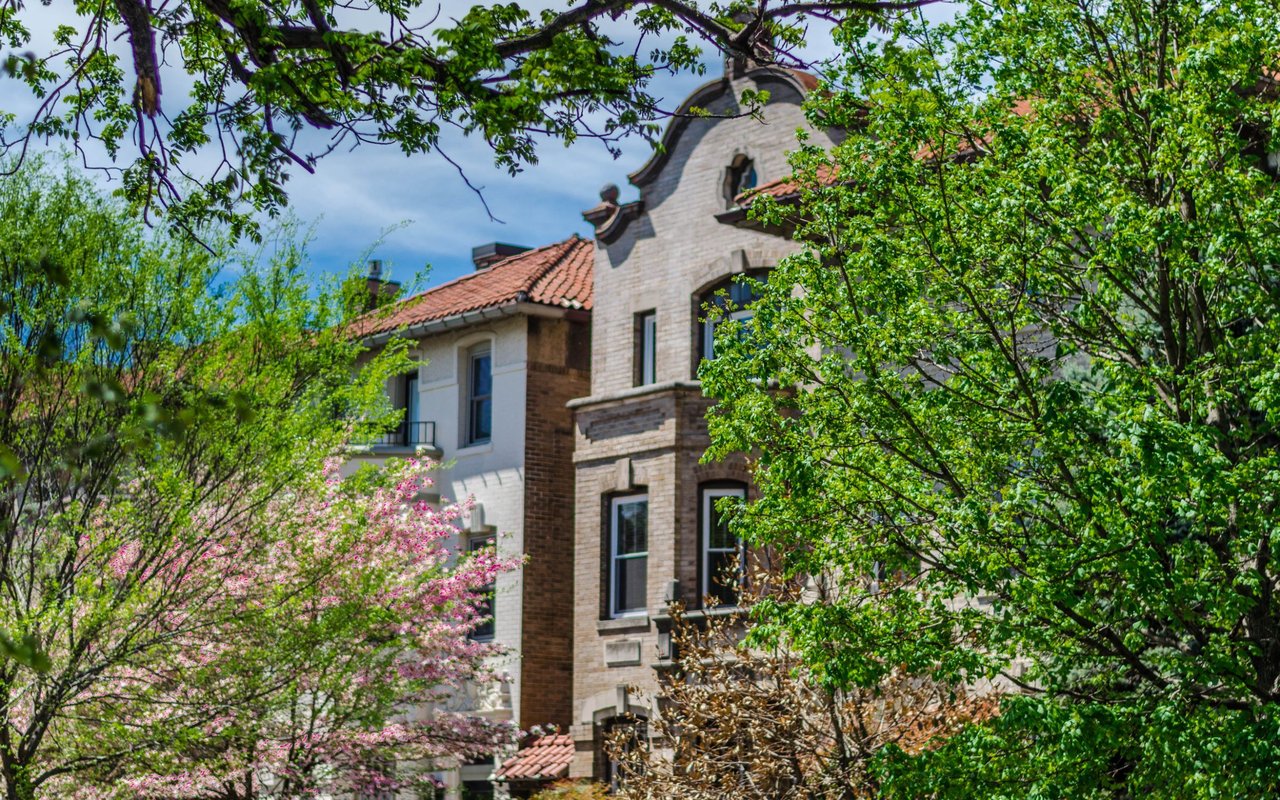
Massachusetts Avenue Heights sits in Northwest Washington, DC within 20008. You will find mature street trees, landscaped yards, and setbacks that create a calm, park-like streetscape. Homes range from grand, multi-story residences to smaller bungalows and later infill.
The neighborhood shares character with nearby high-amenity areas along the Massachusetts Avenue corridor, including embassy-scale architecture and early 20th-century mansions. For broader planning context and maps, explore resources from the DC Office of Planning and the DC Office of Zoning.
Key styles you will see
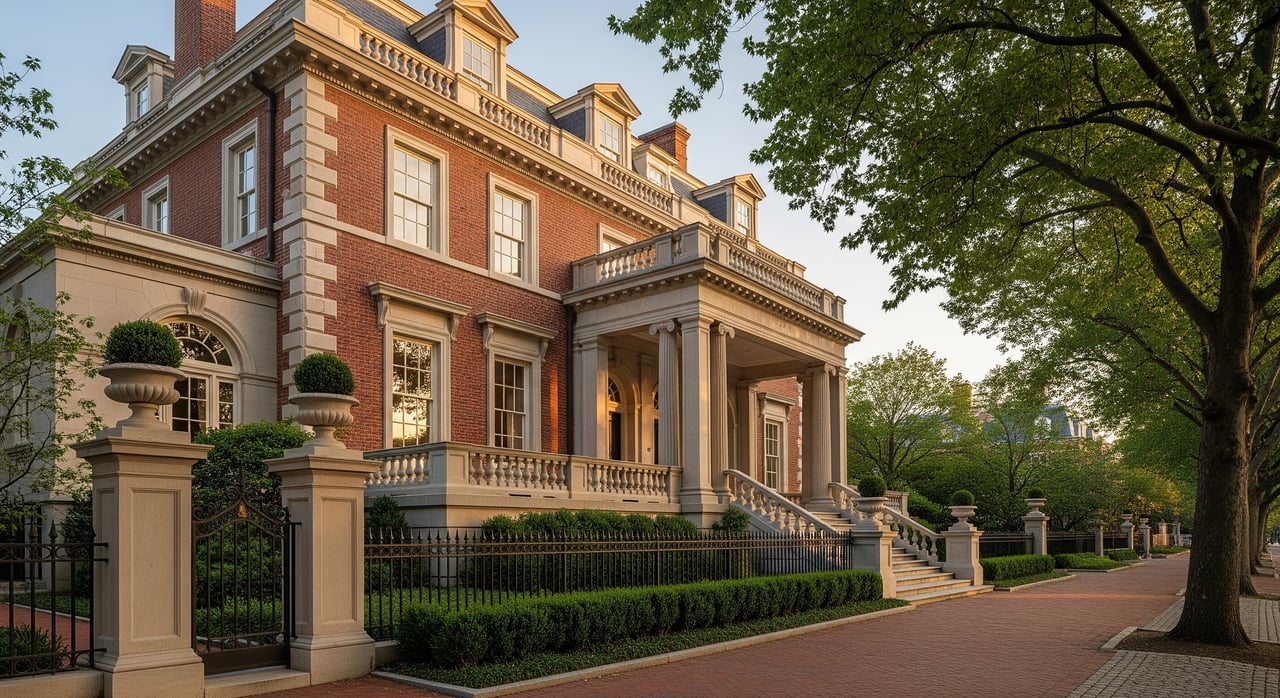
Colonial Revival and Georgian Revival
- Era: Early 1900s to 1930s.
- Cues: Symmetrical facades, brick exteriors, multi-pane double-hung windows, a centered front door with a decorative crown or a small columned portico, and gabled or hipped roofs.
- Why it fits: These formal, balanced homes suited the early 20th-century taste for classical design and adapted well to larger lots.
Beaux-Arts and Neoclassical mansions
- Era: Late 1800s to early 1900s.
- Cues: Grand proportions, stone or stucco facades, classical columns, elaborate cornices, arched openings, and prominent staircases or porticos.
- Where you see them: On larger parcels and near major avenues where the architecture echoes the embassy and manor house aesthetic.
Tudor Revival
- Era: 1910s to 1930s.
- Cues: Steeply pitched roofs, prominent front-facing gables, half-timbering, masonry or stucco at the base, tall narrow windows, and decorative chimneys.
- Appeal: A picturesque, Old World look that remains popular for its storybook charm.
Arts & Crafts, Craftsman, and Bungalow
- Era: 1900s to 1930s.
- Cues: Lower profiles with wide eaves, exposed rafters, tapered porch columns on substantial piers, and a focus on natural materials and built-in woodwork.
- Role in the neighborhood: Smaller detached homes that complement the grander styles nearby.
Mid-century and contemporary infill
- Era: Mid-20th century to present.
- Cues: Simpler massing, larger window openings, and modern materials like steel and glass in newer projects. Many older homes include contemporary rear or side additions.
- Trend: Keep the historic facade while updating the interior for current living.
Hybrids and materials
- Expect mix-and-match details. A home might pair Colonial Revival massing with a Craftsman-style porch, or blend brick, limestone, stucco, and wood siding. Renovations over time add another layer of variety.
House types and interiors
You will encounter a spectrum of detached single-family homes and estate properties. Large mansions often include formal layouts and multiple entertaining rooms. Mid-sized early 20th-century houses typically have separate living and dining rooms and later-updated kitchens. Smaller Craftsman and bungalow homes bring cozy proportions and inviting porches.
Inside, period character is a core draw. Look for hardwood floors, millwork and wainscoting, built-ins, and decorative staircases. Many owners have expanded kitchens, opened up main levels, created primary suites, and finished basements for media or family space. Updates vary, so review each home’s renovation history and systems.
Lots, landscape, and parking
Compared with rowhouse neighborhoods, lots here are larger with generous front and rear yards. Mature trees and hedges create privacy and lend the streets a peaceful feel. Detached garages or carriage houses are common and may sit at the rear of the property.
Off-street parking is more typical than in denser parts of DC, but the details still matter. Curb cuts, driveway changes, and garage expansions can require permits or approvals. For zoning rules and processes, start with the DC Office of Zoning. For permits and building code questions, check the DC Department of Buildings.
Renovation and preservation basics
Some properties in high-demand Northwest neighborhoods are subject to historic review. Exterior changes, additions, or demolition can require oversight by the DC Historic Preservation Office and the Historic Preservation Review Board. Before planning alterations, verify status and process with the DC Historic Preservation Office.
Zoning controls limit what you can add or build. Setbacks, lot occupancy, building height, and accessory dwelling rules all shape options for additions or garage conversions. You can review maps and regulations through the DC Office of Zoning.
Common issues in older homes include dated mechanical systems, lead paint or asbestos in legacy materials, and energy efficiency upgrades. Many owners modernize interiors while maintaining the historic street-facing facade, but the feasibility depends on the property’s status and lot parameters.
Style, livability, and resale
Style influences how a home lives day to day and how it performs at resale. Larger Beaux-Arts or Neoclassical homes offer formal rooms and grand entries, which suit entertaining and showcase historic detail. Colonial Revival and Tudor Revival homes often blend formal layouts with warmth and charm. Craftsman and bungalows emphasize craftsmanship and indoor-outdoor connection.
In this neighborhood, price tiers tend to follow lot size, scale, and architectural significance. When evaluating value, focus on comparable homes with similar style, square footage, and parcel characteristics rather than broad ZIP code averages. If you plan to modernize, consider how the work will complement the original architecture.
How to research a property
Use these steps to structure your homework:
- Confirm basics: Search lot size, tax assessment, and ownership history through the DC Office of Tax and Revenue property search.
- Check zoning: Identify the property’s zoning designation, setbacks, and lot occupancy using the DC Office of Zoning.
- Verify historic status: Review guidance, potential district boundaries, and application processes with the DC Historic Preservation Office.
- Look for federal recognition: Some properties may appear in the National Register of Historic Places. You can explore the database through the National Park Service.
- Plan for permits: For building permits and code requirements, consult the DC Department of Buildings. Engage qualified professionals early, especially for structural or exterior work.
- Consider local input: Advisory Neighborhood Commissions review community issues, so attending a meeting can help you understand practical considerations around traffic, parking, and land use.
What to look for on a walk-through
- Entry and facade: Note symmetry, materials, and roof forms to identify the style quickly.
- Windows and doors: Multi-pane windows and centered doors often signal Colonial Revival. Arched openings and bold columns suggest Beaux-Arts or Neoclassical influences. Tall narrow windows and half-timbering point to Tudor Revival.
- Porches and eaves: Exposed rafters and tapered columns are classic Craftsman cues.
- Interior details: Millwork, built-ins, and original staircases indicate preserved character.
- Additions: Look for seamless transitions from original space to newer work at the rear or side. Quality additions respect rooflines, window proportions, and materials.
Buyer and seller considerations
- Budget for systems: Plan for HVAC, electrical, and roofing updates in older structures. Energy upgrades can be meaningful in large homes.
- Exterior changes: Even if a home is not in a district, nearby context and zoning will affect what is possible. Confirm early with HPO and DCOZ.
- Parking and access: Review curb cuts and garage dimensions. Changes may need permits or variances.
- Security and access: Proximity to embassies can mean added security presence and occasional street closures. Factor this into your daily routine planning.
- Presentation: Historic details photograph beautifully. Thoughtful staging and landscaping enhance perceived quality and buyer engagement.
Work with a local advisor
Understanding the architecture of Massachusetts Avenue Heights helps you buy or sell with precision. If you want tailored guidance on value, renovation feasibility, or presentation that highlights a home’s style, connect with Chena Bolton for a personalized market consultation.
FAQs
What architectural styles define Massachusetts Avenue Heights?
- Expect Colonial and Georgian Revival, Beaux-Arts and Neoclassical mansions, Tudor Revival, Craftsman and bungalow homes, plus mid-century and contemporary infill.
Are homes here protected by historic rules, and what does that mean?
- Some properties may be subject to historic review. Verify requirements with the DC Historic Preservation Office before planning exterior changes.
How do I confirm whether I can add an addition or garage?
- Check zoning limits, setbacks, and lot coverage through the DC Office of Zoning, then confirm permits with the DC Department of Buildings.
Where can I find lot size and tax data for a property?
- Search the DC Office of Tax and Revenue property records for lot dimensions, assessments, and ownership details.
What interior features are common in older homes here?
- Look for formal living and dining rooms, multiple fireplaces, hardwood floors, detailed millwork, built-ins, and updated kitchens or primary suites.
How does embassy proximity affect daily life?
- You may notice increased security presence and occasional traffic changes or street closures near diplomatic properties. Consider this when evaluating commute and access.